
A port to live in, not just to work in
The North Sea Port District is more than a port area filled with ships, cranes and industry. It's also a region where children grow up, people cycle to work and families close their front doors at night. That combination of living, working and industry is unique. But it raises an honest question: how do we ensure this region doesn't just run smoothly, but is actually a great place to live?
Through the Interreg Flanders-Netherlands project Liveable North Sea Port District, residents, businesses, local governments, health and environmental organisations and North Sea Port are working together to find the answer. Not with empty words, but with concrete actions, real data and a listening ear – across borders.
What is the North Sea Port District?
The North Sea Port District (NSPD) is a single cross-border area spanning two countries, two provinces and six municipalities: from Vlissingen, Borsele and Terneuzen in Zeeland to Zelzate, Evergem and Ghent in East Flanders. It’s a thriving Flemish-Dutch economic region featuring a strong international seaport, leading industry and unique nature. Above all, it is a place where people live, work and build their lives.
Mission
North Sea Port District's mission? To connect this region physically, mentally and visually into one District. A District where living, working and recreation don't clash, but reinforce each other. Where climate neutrality and quality of life go hand in hand. Because challenges don't stop at borders. They call for a shared response.
Partners
In 2021, the shareholding authorities of North Sea Port – the municipalities of Vlissingen, Borsele, Terneuzen, Zelzate, Evergem and Ghent, together with the provinces of Zeeland and East Flanders – established the BGTS North Sea Port District. The goal? More joint projects, shared funding and fewer cross-border barriers. On 1 April 2025, the Flemish Government, the Dutch national government, North Sea Port and the BGTS committed to a long-term, integrated partnership for the further development of the District.

Why Liveable North Sea Port District?
In our port, industrial zones, residential areas and nature literally sit side by side. That’s a massive strength, but it also creates tension. Companies provide jobs, innovation, and economic growth, but they can also cause odours, fine dust, noise, or heavy truck traffic. And those challenges? They don't care where Belgium ends and the Netherlands begins.
Residents of the District don't experience the border in their daily lives, but they do feel it in policy. Until now, municipalities, provinces and organisations often worked independently. With this project, we are bridging that gap. By combining data, aligning policies and sharing knowledge, we can respond faster and more efficiently.
Five concrete goals
From October 2025 to September 2028, we are building a healthier, more attractive and more sustainable District – supported by Interreg Flanders-Netherlands and shoulder to shoulder with residents, companies, local governments and health and environmental organisations. The ambition? A port region where industry and quality of life strengthen each other. We do this through five clear pillars:
-
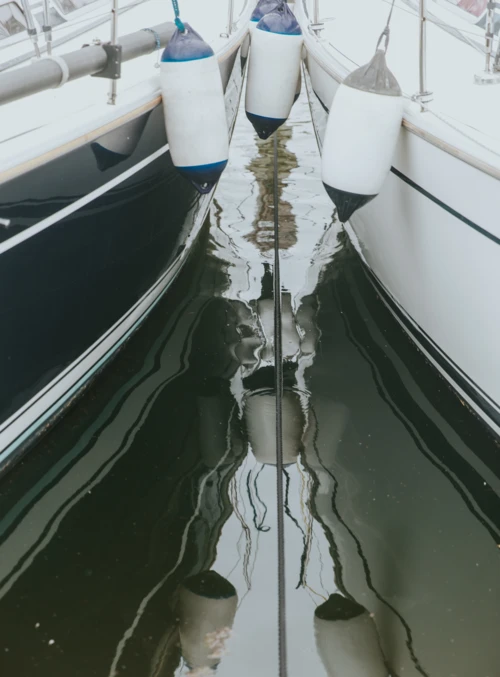
We are building a cross-border collaboration platform and broad advisory group bringing together all relevant stakeholders: local authorities, residents' groups, businesses and health and environmental organisations. No more isolated initiatives, but one coordinated approach to liveability and health across municipal and national borders.
-
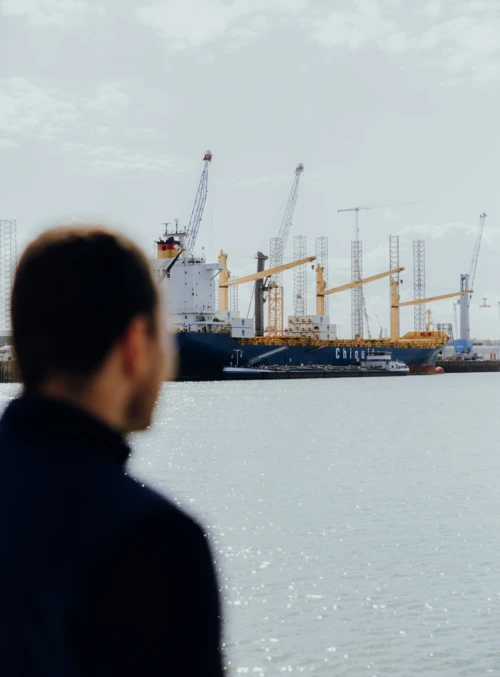
On both sides of the border, we are collecting comparable data on health and quality of life. Odour and noise nuisance, air quality, residents' reports – all brought together in one overview. This allows for better-informed decisions and faster intervention where needed.
-
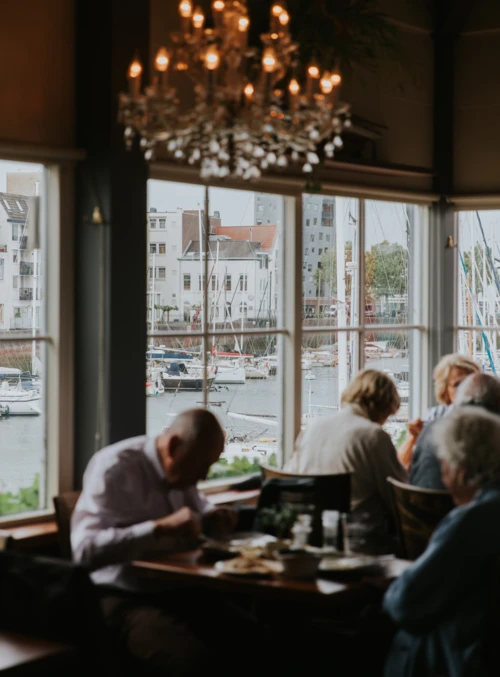
We do this for residents, but we also do it with them. How do they experience life in the port area? What's working? What could be better? Citizen participation is not a one-off initiative. It becomes a structural part of the District's liveability and health policy.
-
Listening is good. But to actually get things done, we need resources. During the project period, a cross-border fund will be set up to finance concrete liveability actions.

-
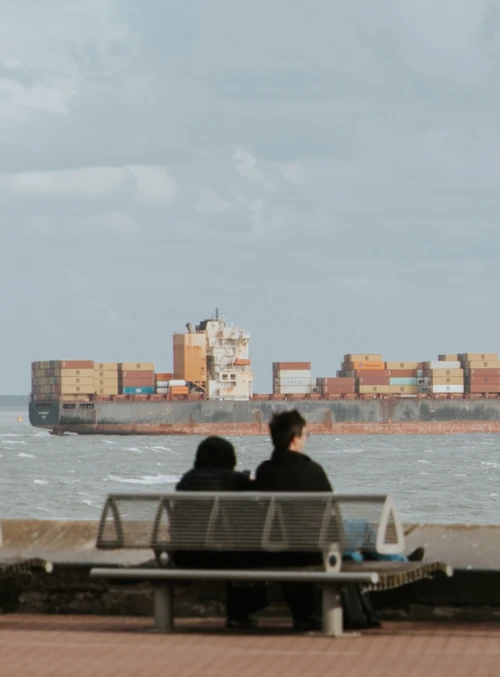
Clearer, more accessible communication about health, major port projects, complaints and how they are handled, opportunities to have a say and a vision for the future. We ensure residents are properly informed and that real interaction between residents, businesses, local authorities and North Sea Port becomes the norm.

What are the benefits?
A port region where the resident's voice counts. Where people feel heard and know what's happening in the port. Where businesses and residents understand each other better. Where health and liveability data are no longer siloed, but a shared compass for more efficient, supported and effective policy. A fund that turns ambitions into action. And a District that, by 2028 and well beyond, is a more liveable, healthier and more attractive place for everyone.
Steering together
This isn’t a solo voyage; it’s a true team effort. No fewer than 13 partners are driving this forward: BGTS North Sea Port District, City of Ghent, Municipality of Evergem, Municipality of Zelzate, Municipality of Terneuzen, Municipality of Borsele, Municipality of Vlissingen, Province of Zeeland, Province of East Flanders, North Sea Port, GGD Zeeland, Gezondheidsmakers and Eco Sea Port. All supported by Interreg Flanders-Netherlands.

Stay on course
Want to know how this project affects your neighbourhood? Or how you, as a resident, company or organisation, can share your thoughts?